
How to Choose the Right Hair Loss Treatment for Your Scalp Type
- Ethan Jones
- Oct 16, 2025
- 3 min read


Hair loss is deeply personal. Two people can experience thinning or shedding for entirely different reasons, and their scalp conditions may vary just as widely. That’s why a one-size-fits-all hair treatment don't provide good outcomes.
To fight with hair shedding, it is essential to receive personalized treatment tailored to your scalp type at a McLean Hair Center, addressing the underlying cause. In this guide, we talk about how to evaluate your scalp type, learn about your hair-shedding type, and pick a treatment that’s effective, safe, and tailored to your hair loss or shedding.
1. Understand Your Scalp Type Before Picking Treatments
Before starting treatments, take a moment to assess your scalp. Using the wrong regimen on the wrong scalp can irritate or exacerbate hair loss. Below are common scalp types and what they imply:
Scalp Type | Key Traits | Considerations & Risks |
Normal/ Balanced | Neither overly oily nor dry; minimal flaking | Most treatments are well tolerated; a basic regimen works best. |
Oily / Seborrheic | Greasy scalp, buildup, dandruff, clogged pores | Use gentler, oil-regulating cleansers; avoid heavy oils. |
Dry / Sensitive / Itchy | Tightness, flaking (like dandruff, but not oily), irritation | Avoid harsh actives in high concentrations; prefer soothing actives. |
Scalp with Dermatitis/Psoriasis | Inflamed patches, redness, scaling | It's important to coordinate with dermatologic care and avoid aggressive scrubs. |
Scarring/Cicatricial Areas | Visible scarring, shininess, loss of follicular markings. | Hair regrowth may be limited; treatments become more complex. |
Tip: Many hair loss clinics in Washington DC begin with a scalp examination to categorize your type and then recommend treatment accordingly.
After understanding your scalp type, you can continue to identify the underlying pattern of hair loss.
2. Identify Your Hair Loss Pattern
Treating hair loss effectively requires knowing why it's occurring. Common patterns include:
Androgenetic Alopecia or male pattern hair loss: It is the most common form of hair shedding. Hair loss treatments comprise of DHT-blocking agents, such as minoxidil, and, if necessary, hair transplant may be an effective solution.
Telogen Effluvium or diffuse shedding: Often triggered by stress, illness, or hormone shifts. Many cases improve naturally over months.
Alopecia Areata or patchy, autoimmune: Localized patches may regrow spontaneously.
Traction Alopecia: It occurs due to tight hairstyles. The key intervention is to stop the damaging style. Regrowth occurs when follicles aren’t destroyed.
Scarring / Cicatricial Alopecia: Follicles are damaged, making regrowth complex. Early detection is important.
Often, you may have a combination (e.g., androgenetic or seborrheic scalp). A hair loss specialist or a trichologist can perform techniques like trichoscopy to assess follicle health at a reputed Mclean Hair Center.
3. Match Treatments to Scalp and Hair Loss Type
Here’s how to align treatments to your scalp and hair loss profile.
Topical Treatments & Medications
Minoxidil (Rogaine, etc.)
Works by extending the growth (anagen) phase. Especially effective in the vertex or frontal areas.
Use lower strength (e.g., 2%) if your scalp is sensitive; higher strength (5%) in robust scalps.
On oily scalps, use a light, non-greasy foam or light liquid to avoid clogging.
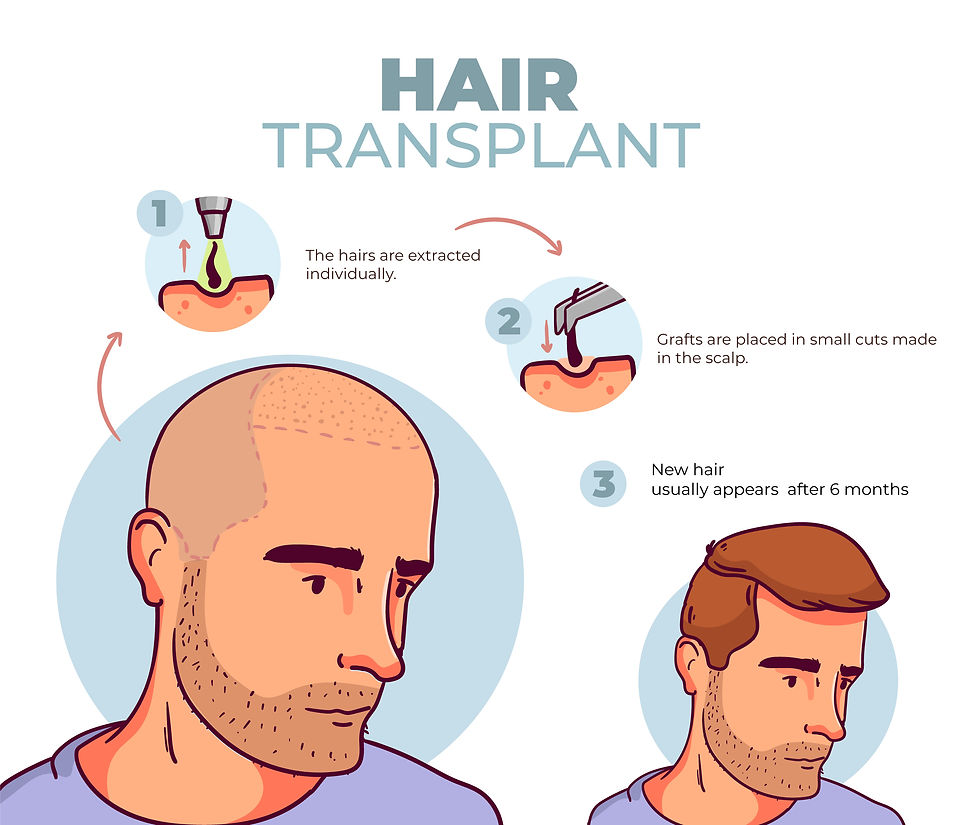
Hair Transplant (FUT / FUE)
For stable pattern hair loss and sufficient donor hair, a transplant provides permanent density.
Men generally get androgenetic hair loss, catalyzed by a specific pattern: thinning at the crown, a receding hairline, and eventually, a balding area.
For more extensive cases of hair shedding, hair restoration at experienced hair loss clinics in Washington DC offer a lasting solution.
5. How to Pick Your Treatment
Answer these questions to guide your choice:
How is your scalp healthy?
If you have inflammation, dermatitis, or severe sensitivity, treat that first.
How advanced is your hair loss?
Facing Diffuse shedding? Start with gentler topicals or wait & observe.
Suffering from Patterned baldness? Combine DHT agents, topicals, and procedural options.
How tolerant is your scalp?
Sensitive/dry scalp → choose soothing, lower concentration formulas.
How committed are you to maintenance?
Many treatments (minoxidil, finasteride) require long-term use to maintain results.
What’s your budget and tolerance for invasiveness?
Clinical procedures cost more but often require fewer sessions.
What’s your risk tolerance?
Be cautious with unproven hair growth miracle products; always rely on evidence.
Use this as a decision ladder: start with scalp care, then move to low-risk topicals, and then escalate to injections, devices, or transplant.
If you’re searching for a Mclean Hair Center, research a lot to get a good glimpse.
Conclusion
Choosing the right hair loss treatment isn’t about picking the newest solution. It’s about catering treatment to your scalp type, hair loss pattern, and lifestyle. Begin with reasonable care, get the correct diagnosis, then escalate deliberately.


Comments